Projects
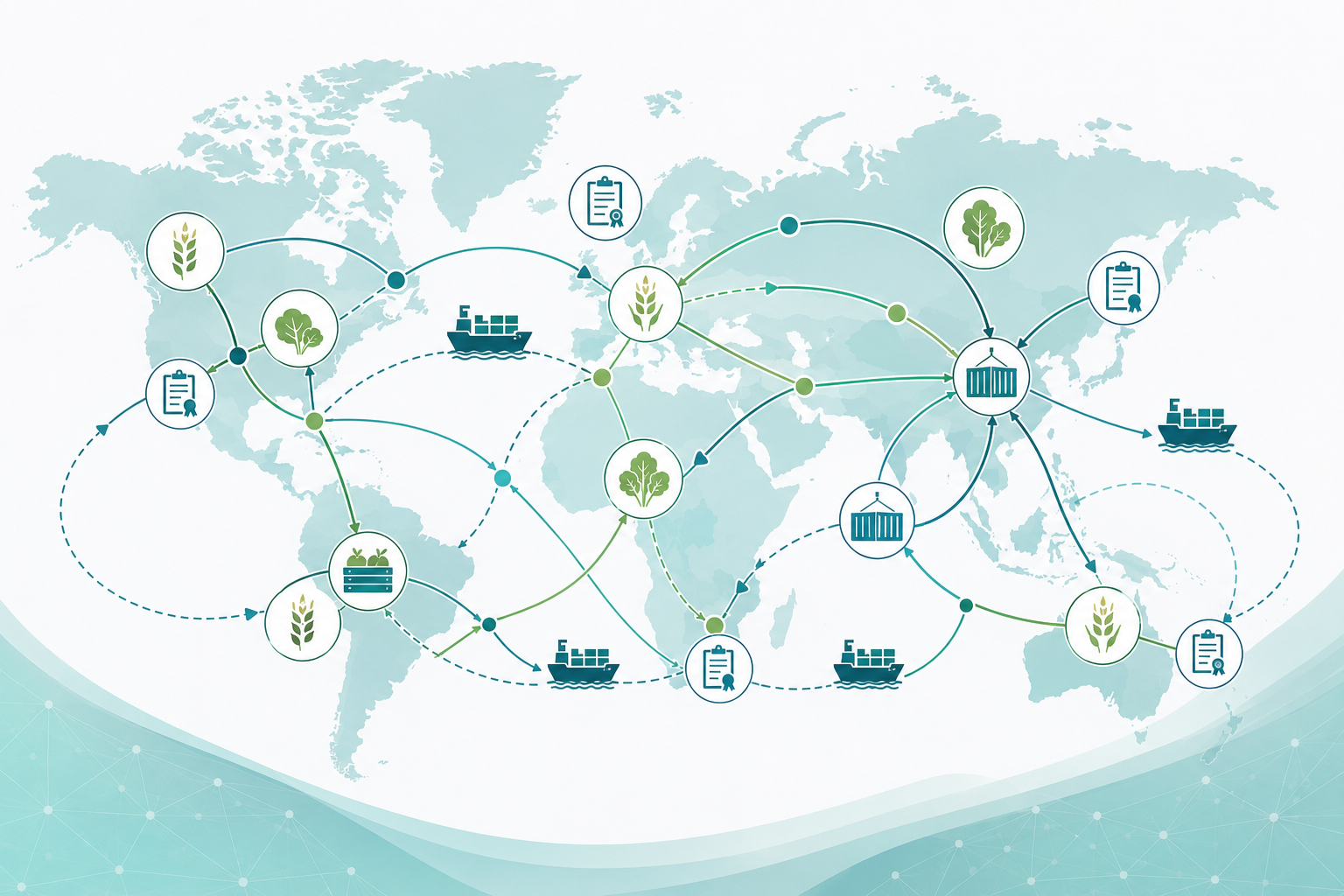
Harmonizing Standards: Implications for Trade, Welfare and Supply Chain Resilience
How do agrifood importers adjust their sourcing behavior when standards are harmonized, what are the equity and distributional consequences, and how does harmonization affect the resilience of agri-food supply chains? This project addresses these open questions by analyzing the channels through which harmonization affects import sourcing, welfare, and supply chain resilience at both firm and country levels.
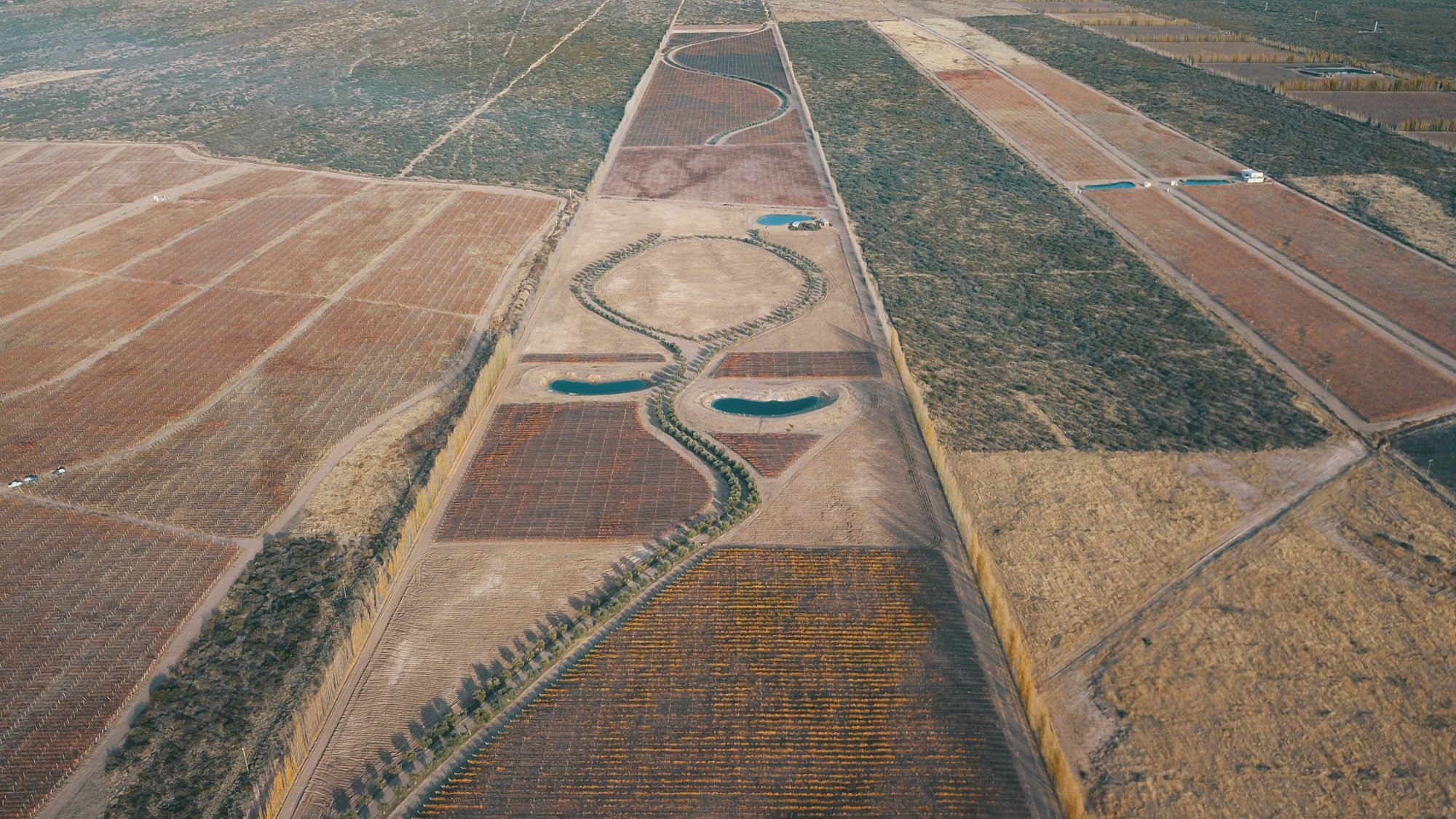
Sustainability Assessment of Trade-induced Land Transitions
Land systems transformation is often seen as a domestic process, with most studies linking land cover to domestic land use decisions. With globalization, however, local demand and perturbations are no longer the main pressures on sustainable land systems, as consumption in one part of the world increasingly drives land use changes elsewhere. This project assesses how trade and trade policy shape land systems resilience in Mendoza’s wine region and explores the underlying mechanisms.
Zukunft der Ernährung in Niedersachsen
ZERN is a research and transfer network initiated by the University of Göttingen, the University of Veterinary Medicine Hannover and the German Institute of Food Technology in Quakenbrück, which aims to support the transformation of the agricultural and food system in Lower Saxony, which is under increasing pressure to adapt. The findings from the research alliance should enable the sustainable production, processing and marketing of food.